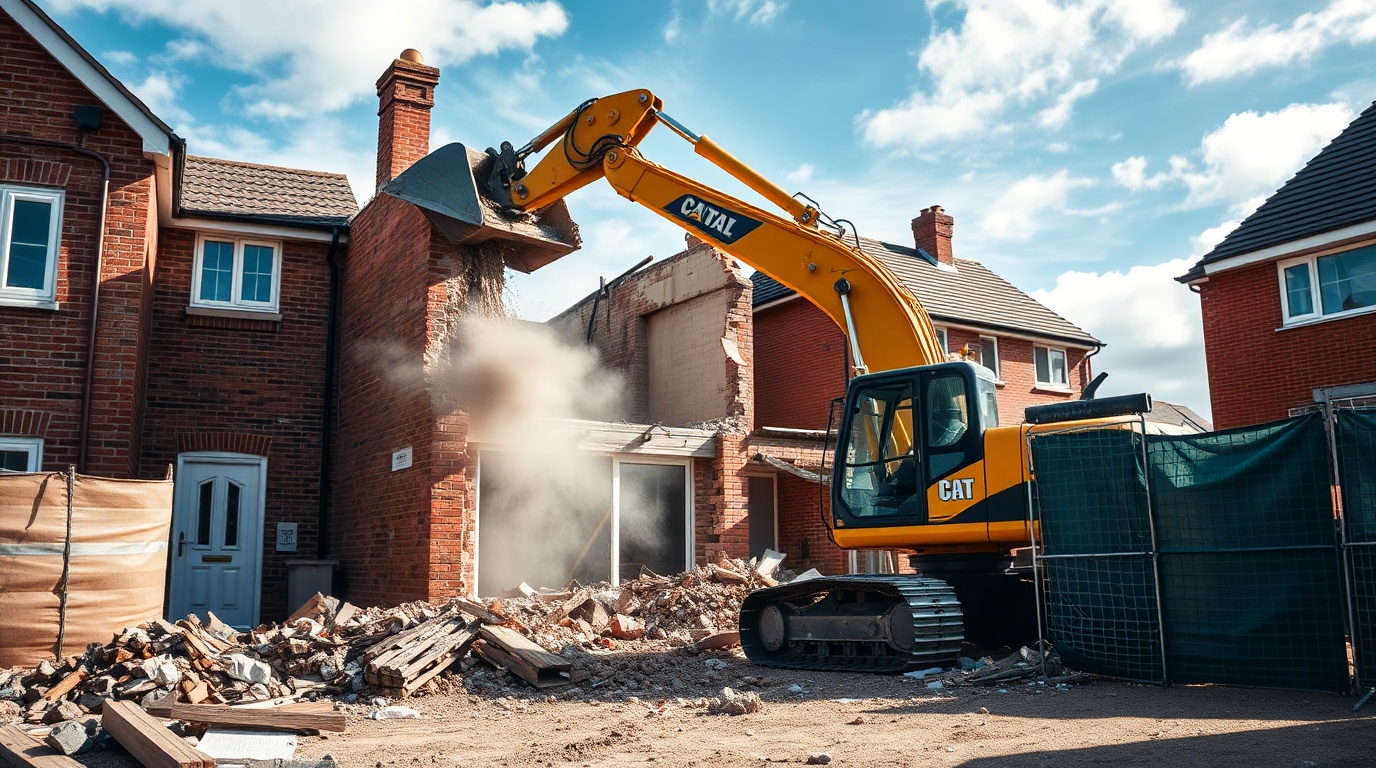
The short answer
Removing an asbestos cement garage roof in the UK typically costs around £400 to £1,200 for a standard single garage, depending on size, access and disposal. Most corrugated asbestos cement garage roofs fall within this range, while larger roofs or difficult access push the figure higher. The cost covers careful removal of the sheets, double-wrapping, transport and disposal at a site licensed to accept asbestos waste. Under HSE guidance, work with asbestos cement is generally classed as lower-risk non-licensed work rather than licensed work, but it still must be carried out using the correct controls. This page is general information, not legal advice; if you are unsure about the material or the rules that apply to you, take advice from a competent asbestos contractor or your local authority. Figures are indicative ranges only.
Asbestos cement garage roofs are common on older garages and need careful handling. The sections below explain typical costs, how the work is classified by the HSE, and what proper removal involves.
Typical UK ranges
- Single garage roof~£400–£1,200
- Larger/double roof~£800–£2,000
- Work classificationUsually non-licensed (HSE)
- DisposalLicensed asbestos waste site
- Sampling/testingOptional extra if unsure
Licensed vs non-licensed asbestos work
Not all asbestos work is treated the same way. The Health and Safety Executive (HSE) divides it into three categories: licensed work (the highest-risk, such as removing sprayed coatings or pipe lagging), notifiable non-licensed work, and non-licensed work. Most asbestos cement products, which is what the majority of garage roofs are made from, fall into the lower-risk non-licensed category because the asbestos fibres are bound tightly in the cement and are less readily released than in friable materials.
That classification does not mean the work is casual. Non-licensed asbestos work still requires the right precautions: keeping the sheets whole rather than breaking them, avoiding power tools that create dust, wetting the material, wearing suitable protective equipment, and disposing of the waste correctly. The distinction mainly affects the controls and paperwork required, not whether care is needed. This is a general summary of HSE guidance and not advice on your specific situation.
What affects the cost of removal
The price of removing an asbestos garage roof is driven by the area of roofing, how easy the sheets are to reach and lower safely, the condition of the material, and the disposal distance to a licensed site. A small, intact single-garage roof at ground-floor height is the most straightforward. A larger roof, a roof on a tall or attached garage, or sheets that are already cracked and fragile all add cost because they need more careful handling and may produce more controlled waste.
Disposal is a fixed part of the price. Asbestos waste must be double-wrapped, labelled and taken to a facility licensed to receive it, and that disposal is charged separately from general rubble. If you also want the whole garage removed, the roof is usually taken off first as a distinct task, then the rest of the structure is demolished conventionally.
| Factor | Effect on cost | Why |
|---|---|---|
| Roof area | Higher with size | More sheets, more waste |
| Access/height | Higher if difficult | Safer handling needed |
| Sheet condition | Higher if broken | More controlled waste |
| Disposal distance | Variable | Licensed sites only |
Indicative cost factors for guidance. Source: HSE asbestos guidance and Checkatrade cost data.
How the work is carried out
Done correctly, asbestos cement removal aims to keep the sheets intact and avoid creating dust. Fixings are unscrewed rather than the sheets being smashed, the material is dampened to suppress fibres, sheets are lowered carefully rather than dropped, and everything is double-wrapped in suitable sheeting and labelled as asbestos waste. The area is kept clear of others while work is underway, and the waste is consigned to a licensed disposal site with the correct documentation.
Because asbestos handling has specific requirements and the material is hazardous if disturbed badly, many homeowners use a contractor experienced in this work rather than tackling it themselves. If you do want to understand the rules, the HSE provides public guidance on non-licensed asbestos work. Whatever route you take, the safe handling steps and licensed disposal are what justify the cost compared with an ordinary roof.
Frequently asked questions
Is removing an asbestos garage roof licensed work?
Usually not. Asbestos cement is generally classed by the HSE as lower-risk non-licensed work because the fibres are bound in cement. It still requires correct controls, careful handling and licensed disposal. Check HSE guidance or a competent contractor for your situation.
Can I remove an asbestos garage roof myself?
The HSE provides guidance on non-licensed asbestos work, and asbestos cement falls in that category, but the material is hazardous if broken or drilled. Many people use an experienced contractor. This page is general information, not advice on what you should do.
Where does the asbestos waste go?
Asbestos waste must be double-wrapped, labelled and taken to a site licensed to receive it, with the correct consignment paperwork. It cannot be put in a general skip or household waste, which is why disposal is priced separately.
Sources & further reading
Figures on this page are typical UK ranges drawn from published sources and depend on your specific building. They are guidance, not a quotation.