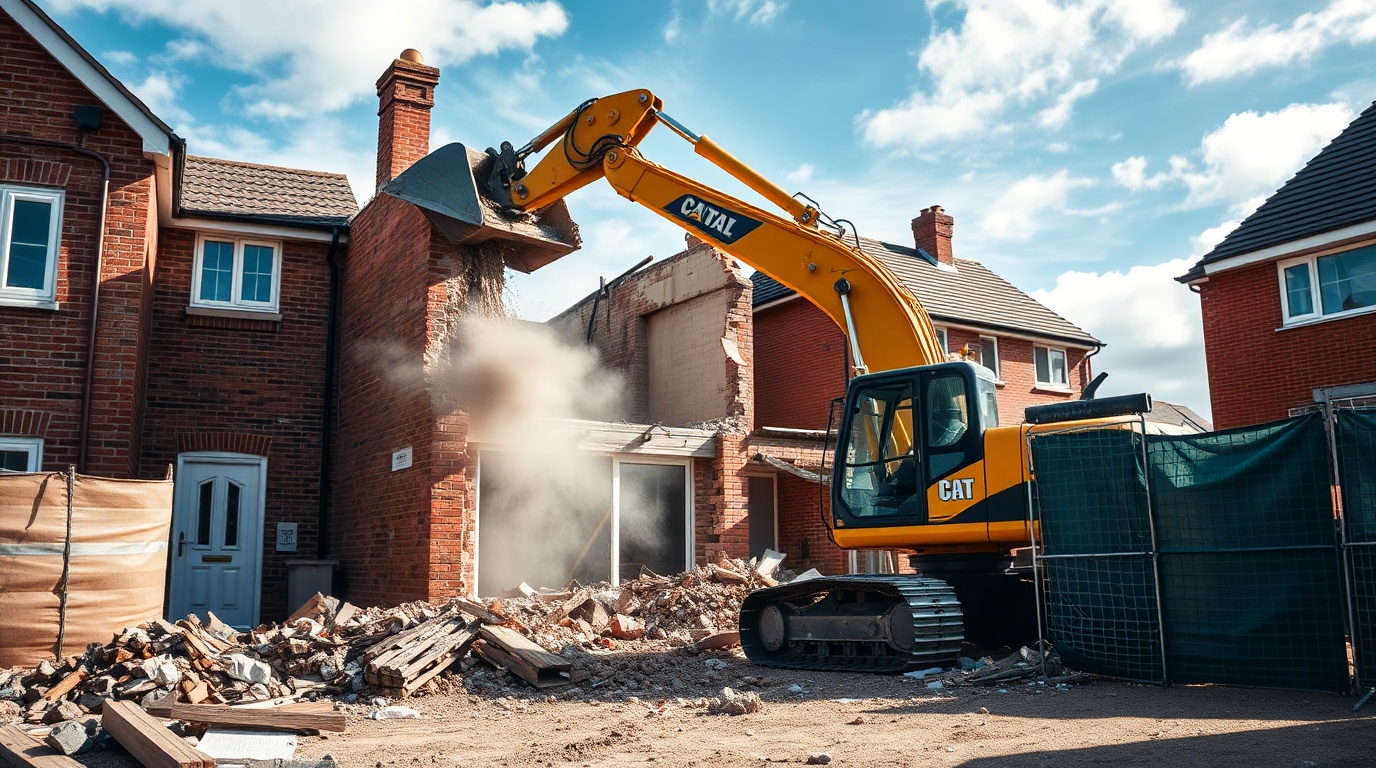
The short answer
A competent demolition contractor can show relevant experience, proper safety planning under CDM 2015, suitable insurance, trained operatives, and responsible handling of asbestos and waste. Useful signals include membership of a recognised trade body such as the National Federation of Demolition Contractors (NFDC), which sets standards for its members, evidence of CDM 2015 competence and written method statements and risk assessments, valid public liability and employers' liability insurance, and the right qualifications for the work. A good contractor will arrange or use a proper demolition survey, handle asbestos correctly, and dispose of waste through licensed routes. This page is general guidance on what to look for, not a recommendation of any contractor, and contains no request to fill in a form or get the work priced up.
Competence in demolition is about safety, experience and proper process, not just price. The sections below set out the things that distinguish a competent contractor.
Signals of competence
- Trade bodyNFDC membership
- SafetyCDM 2015 plans, method statements
- InsurancePublic + employers' liability
- SurveyProper asbestos/demolition survey
- WasteLicensed disposal, duty of care
Experience, trade bodies and qualifications
Relevant experience with the type of building you have, a garage, an outbuilding, or something larger, is the first thing to look for, along with examples of similar completed work. Trade body membership is a useful signal: the National Federation of Demolition Contractors (NFDC) is the recognised UK body for demolition, and its members are expected to meet standards on safety, training and competence. Membership is not a guarantee on its own, but it indicates a contractor that has agreed to be held to industry standards.
Qualifications and training matter too. Demolition operatives and supervisors should hold appropriate cards and training for the work, and the contractor should be able to describe how their people are trained for the hazards involved. For asbestos work, the relevant competence and, where required, licensing must be in place. Asking how a contractor approaches a job often reveals more than a glossy profile.
| Check | What to look for | Why it matters |
|---|---|---|
| Experience | Similar completed jobs | Knows the building type |
| NFDC membership | Recognised trade body | Held to standards |
| Training/cards | Qualified operatives | Competent on hazards |
| References | Recent, relevant | Evidence of delivery |
General checks when assessing competence. Not a recommendation of any contractor.
Safety, CDM 2015 and insurance
A competent contractor treats safety as central. Under CDM 2015, demolition must be planned and managed so it does not put anyone at risk, with the arrangements recorded in writing. Expect the contractor to produce a written demolition plan, method statement and risk assessment, to survey for asbestos and structure before starting, and to set out how they will protect you, your neighbours and the public. A contractor who cannot explain their safety approach is a warning sign.
Insurance is essential. The contractor should hold valid public liability insurance, to cover damage or injury to third parties, and employers' liability insurance for their workers, which is a legal requirement for those with employees. Ask to see current certificates. Adequate cover protects you if something goes wrong, and a reluctance to provide it is a reason to look elsewhere.
Asbestos, waste and getting it right
Two areas separate a careful contractor from a careless one. Asbestos must be identified through a proper survey and removed under the correct controls, licensed or non-licensed as appropriate, never smashed up with the structure. Waste must be handled under the legal duty of care: sorted, carried by registered carriers, and taken to licensed facilities, with any asbestos consigned to a licensed site. A good contractor will explain how they recycle the bulk material and dispose of hazards, and can provide evidence of where waste went.
Putting this together, judging a demolition contractor is about competence and process rather than the lowest number. Look for relevant experience, recognised standards such as NFDC membership, proper CDM 2015 safety planning, valid insurance, and responsible asbestos and waste handling. This page is general guidance on those signals and does not recommend any particular contractor or invite you to submit details anywhere; the decision and the checks remain yours to make.
Frequently asked questions
What is the NFDC and why does membership matter?
The National Federation of Demolition Contractors is the recognised UK trade body for demolition. Its members are expected to meet standards on safety, training and competence. Membership is a useful signal of a contractor held to industry standards, though it should be checked alongside experience and insurance.
What insurance should a demolition contractor have?
Valid public liability insurance, to cover injury or damage to third parties, and employers' liability insurance for their workers, which is legally required for those with employees. Ask to see current certificates before work begins.
How can I tell a contractor handles asbestos correctly?
They will arrange or use a proper survey, identify asbestos before starting, and remove it under the correct controls rather than smashing it with the structure. They should explain whether the work is licensed or non-licensed and how the waste is disposed of at a licensed site.
Sources & further reading
Figures on this page are typical UK ranges drawn from published sources and depend on your specific building. They are guidance, not a quotation.